Organic Mattresses · Sleep Science
Inside Obasan’s Organic Mattress Design: Layers, Materials, and Customization
A mattress is less a single object than a carefully composed landscape: materials, layers, and firmness working together beneath the quiet ritual of sleep. Understanding how those elements interact offers a more thoughtful way to assess Obasan’s organic designs—and to decide which details matter most to you.
Organic mattresses invite a particular kind of attention. Their appeal is not only in the promise of natural materials, but in the way a bed is assembled: what lies closest to the body, what bears the weight, and how each layer influences the next. In this context, Obasan is a name associated with organic mattress construction and options that allow shoppers to consider personal comfort alongside material choices.
The word “organic” can sound like a complete answer, but it is only the beginning of a useful conversation. It does not, by itself, explain a mattress’s firmness, pressure relief, temperature feel, or longevity. Those qualities depend on the materials and their arrangement, as well as the sleeper’s body, preferred position, and sleep environment. Looking closely at layers and construction makes the choice less abstract—and more grounded in the way a bed will be used night after night.
This guide explores the principles behind layered organic mattress design, the characteristics commonly associated with natural latex and other natural materials, and the questions worth asking when considering customization. Product specifications and available configurations can change, so confirm current details directly with the manufacturer or retailer before making a purchase.
A mattress is a system, not a single material
It is tempting to describe a mattress by its headline material: latex, for example, or a combination of natural fibers and springs. Yet the feel of the finished bed is shaped by the complete construction. A comfort layer, a supportive core, an outer cover, and any additional components each have a role. Their thickness, density, and order can make a meaningful difference, even when two mattresses share a similar materials list.
The upper layers are the first point of contact. They influence the initial sensation of softness or firmness and may help distribute pressure around areas such as the shoulders and hips. Beneath them, deeper layers contribute to support and determine how the mattress responds as weight shifts across the surface. The cover, meanwhile, is not merely decorative: its fabric, quilting, and tension can subtly affect the feel of the layers underneath.
Thinking in terms of a system is especially useful when comparing organic mattresses. A mattress made with natural materials is not automatically right for every sleeper, and a material name cannot reveal the entire experience. The more useful questions concern the whole design: how does it respond under pressure, how does it keep the body supported, and can its configuration be adapted to different preferences?
Natural latex: responsive, resilient, and individual
Natural latex is often used in organic bedding because it can offer a springy, buoyant response. Rather than simply compressing and remaining compressed, latex generally responds to pressure and recovers its shape. For some people, this creates a sensation of being gently supported on the surface rather than sinking deeply into it. Others may prefer a different feel; comfort is personal, and material descriptions are not a substitute for trying a mattress whenever an in-person test is available.
Latex can be used in different positions and thicknesses within a mattress. A layer nearer the top may contribute more directly to cushioning, while a deeper layer may form part of the support structure. The result depends on more than the label “latex”: the layer’s firmness, dimensions, and relationship to the layers around it all matter. For this reason, shoppers should look for detailed construction information rather than relying on a broad material claim alone.
It is also worth distinguishing between the kinds of information a material description can provide. It may tell you what a layer is made from, but not necessarily how firm the complete mattress will feel to your body. Body weight, height, posture, and personal sensitivity to pressure all influence how a surface is experienced. A mattress that feels pleasantly yielding to one person may feel too soft or too firm to another.
For shoppers interested in natural latex, practical questions include whether the material is used throughout the mattress or in selected layers, whether the layers are removable or rearrangeable, and what certifications apply to the specific materials. Certifications can help clarify standards and sourcing, but it is wise to check what each certification covers rather than treating a single mark as proof of every quality a shopper may value.
What the layers are designed to do
Layered construction gives a mattress its architecture. Although exact designs vary, it can be helpful to consider three broad functions: surface comfort, underlying support, and the outer enclosure that holds the components together.
- Comfort layers: These sit near the sleep surface and influence cushioning, pressure distribution, and the immediate feel of the mattress.
- Support layers: Deeper components help carry body weight and contribute to a stable, balanced sleep surface.
- Cover and quilting: The cover protects the interior and can add texture or light cushioning, while its construction affects how closely the sleeper feels the layers beneath.
These roles overlap. A layer that cushions the shoulder also contributes to how the body settles into the mattress; the support core affects whether that settling feels balanced or excessive. This is why a mattress can feel noticeably different from another even when both use familiar materials. The composition is a sequence, and the sequence matters.
When evaluating an Obasan design, consult current product information for the precise materials, layer order, and thicknesses of the model under consideration. Avoid assuming that every mattress in a brand’s collection uses an identical recipe. A manufacturer may offer different constructions or configurations for different needs, and naming conventions alone may not make those distinctions clear.
Customization: useful when it answers a real need
Customization can make mattress shopping feel more personal, but it is most valuable when it addresses a specific comfort question. Some mattress systems may offer choices related to firmness, layer arrangement, or the feel on each side of a shared bed. The options available are model-specific, so verify exactly what can be adjusted, how adjustments are made, and whether components can be changed after delivery.
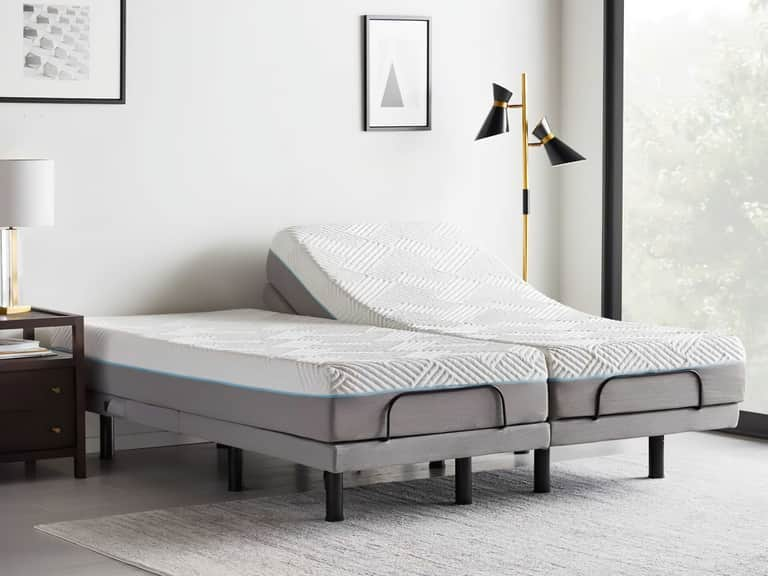
For couples, differing preferences are common. One person may prefer a more yielding surface while the other wants a firmer feel. A design that allows separate sides to be configured independently can be worth exploring if that feature is available in the model being considered. Ask whether the split is supported by the mattress itself, how the center of the bed feels, and whether a shared cover affects the distinction between sides.
Customization can also be relevant for an individual whose preferences are not easily summarized by a single firmness label. A side sleeper may be attentive to pressure around the shoulder and hip, while a back sleeper may focus on maintaining a comfortable, supported posture. Stomach sleepers often have different needs again. These are useful starting points, not rigid rules: bodies vary, and a person’s comfort cannot be reliably determined by sleep position alone.
Before choosing a configurable mattress, make the process concrete. Find out whether firmness choices are made before purchase or can be revised later; whether modifications involve rearranging existing layers or ordering different ones; and what fees, timelines, or return conditions apply. A customization feature is only practical if its terms are clear and the available choices genuinely suit your priorities.
Start with your own comfort, not a trend
Mattress shopping often comes wrapped in confident language: “perfect alignment,” “cloud-like comfort,” or a supposedly universal firmness recommendation. Such shorthand can obscure the more useful task of noticing your own experience. Consider how you sleep most often, where you feel pressure, whether you tend to feel too warm, and what kind of surface makes it easy to settle.
Sleep position offers a practical first lens. Side sleepers often pay close attention to cushioning at the shoulder and hip. Back sleepers may look for a surface that feels supportive without creating uncomfortable pressure. Stomach sleepers may prefer a firmer sensation, although individual anatomy and comfort preferences still matter. Combination sleepers may value a responsive surface that makes it easier to shift positions.
Body weight can also affect how deeply a person compresses a mattress. The same construction may feel firmer to one sleeper and softer to another. If two people share a bed, consider each person’s needs separately rather than assuming that one firmness description will feel the same to both. If possible, spend enough time testing a mattress in a relaxed position and ask about a trial period, returns, and the process for making an exchange.
Keep the whole sleep setup in view. A mattress protector, mattress pad, fitted sheet, and pillow can change the overall feel at the surface. A thick or heavily quilted pad, for example, may soften the first impression of a mattress, while a tightly fitted sheet can affect how the upper layers respond. For a fair assessment, consider what you will actually use on the bed and check that accessories fit the mattress’s depth and construction.
Questions to ask before you decide
A little preparation can make a detailed product conversation more productive. Rather than asking only whether a mattress is “good,” ask for the information that connects construction to your needs. Clear answers help distinguish meaningful customization from language that sounds appealing but remains vague.
- What materials are used in each layer, and in what order?
- Which firmness or configuration options are available for this specific model?
- Can one side be configured differently from the other, if needed?
- Are layers removable, replaceable, or rearrangeable after purchase?
- What do the stated certifications cover, and which materials do they apply to?
- How does the cover affect care, breathability, and the feel of the surface?
- What are the trial, return, warranty, and adjustment terms?
- Which foundation or bed frame is compatible with the mattress?
Ask for specific, current documentation when a detail is important to your decision. A general statement about organic materials may not answer questions about the source, certification, or composition of every component. Likewise, a firmness scale is useful only when you understand how the brand defines it and whether the rating describes a particular layer or the complete mattress.
Care, setup, and the life of a mattress
Even a thoughtfully chosen mattress depends on a suitable foundation and attentive care. Confirm the manufacturer’s requirements for the base, frame, and spacing between slats, if relevant. A compatible, stable foundation can help provide appropriate support; an unsuitable one may affect performance or warranty coverage. Follow the instructions supplied with the specific mattress rather than relying on assumptions based on another model.
Care instructions deserve the same attention as material descriptions. A mattress cover may have particular cleaning requirements, while interior layers may not be designed for washing or exposure to moisture. A breathable, well-fitting protector can help guard against everyday spills and wear, but verify that its construction is suitable for the mattress and does not interfere with the feel you want. Avoid applying cleaning products or treatments unless the manufacturer recommends them.
Rotation or flipping guidance also varies by design. Some mattresses are intended to be used on one side only; others may allow rotation or have different arrangements. Check the care guide before moving or turning a mattress. Following the correct routine can help preserve comfort and make it easier to identify changes in feel over time.
Finally, think about delivery and setup. Organic mattresses can be substantial, and certain designs may need careful handling or a specific installation process. Ask about delivery access, setup, packaging removal, and what to do if the mattress needs to be adjusted after arrival. Practical details may not be glamorous, but they are part of choosing a bed that fits real life.
Reading organic claims with discernment
For many shoppers, material sourcing and environmental considerations are central to the appeal of an organic mattress. The most useful approach is neither cynical nor credulous: look for precise information and understand the scope of each claim. “Natural,” “organic,” and “eco-conscious” can refer to different things. Ask which materials are certified, what the certification standard evaluates, and whether the claim applies to the complete product or selected components.
It is also helpful to separate material preference from performance. A natural material may suit a shopper’s values, but the mattress still needs to feel comfortable, provide suitable support, and work within the bedroom’s conditions. Conversely, a technically detailed description does not automatically tell you whether a mattress will feel right. The best assessment considers both: what the mattress is made of and how its construction functions for the person sleeping on it.
A considered choice, made layer by layer
Obasan’s place in the organic mattress conversation offers an opportunity to look beyond broad claims and examine the construction beneath them. Layers shape the way a mattress cushions and supports; natural latex can bring a responsive quality; and customization, where offered, may help tailor the feel to individual or shared preferences. None of these details is meaningful in isolation. Their value lies in how they come together for a particular sleeper.
Approach the decision as an exercise in attentive comparison. Review the current specifications for the exact model, clarify which materials and configurations are included, and ask how any adjustment works in practice. Consider your sleeping position, pressure points, temperature preferences, and the bedding you plan to use. A mattress need not promise a universal ideal. It should make sense for your body, your habits, and the level of support that lets you settle comfortably.
When the details are clear, the choice becomes less about chasing a perfect label and more about understanding the design. That is the quiet luxury of an informed decision: knowing what is under the cover, what each layer is meant to do, and why the final arrangement feels like the right one for you.